How do animals see the world?

For example, we know that cats see much better in the dark than we humans do. Dogs, on the other hand, perceive colors less accurately, so they rely on their sense of smell and hearing to gather information. We, however, have now looked into what kind of abilities wild animals’ eyes have.
What is invisible to the human eye…
It is no longer news that several animal species are able to perceive colors and signals with their eyes that humans cannot. One example is ultraviolet light. Most birds can see it, as can flies and some fish species.
Birds of prey also have two foveae. This allows them to spot even very small animals from kilometers away.
What is even more interesting than this is the vision of reptiles. During their hunts, snakes locate their prey by sensing heat. They are aided in this by thousands of sensitive receptors located on their heads, and thanks to this they are able to hunt so effectively.
A chameleon’s special eyes, which can rotate 360 degrees, help it map its surroundings. Because it can move them independently of each other, it does not miss important events, such as a fly carelessly buzzing nearby, which may become its dinner.
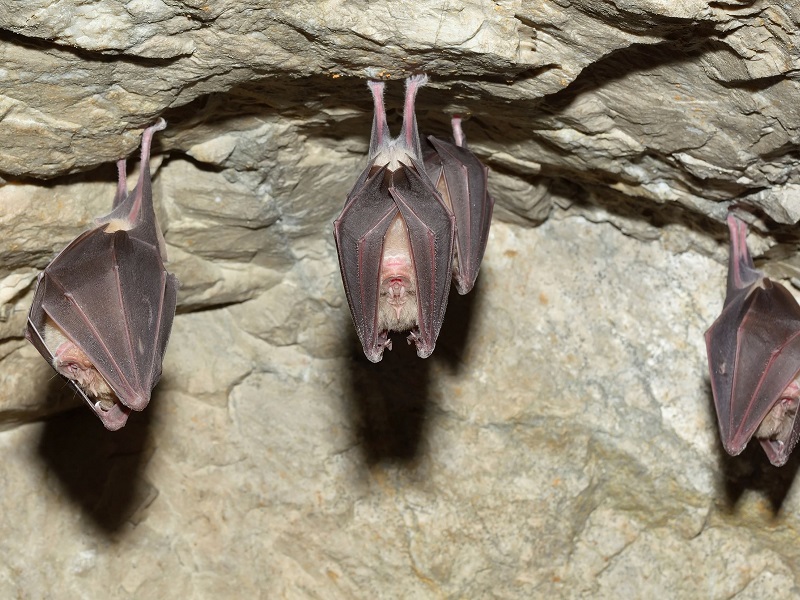
In general, nocturnal animals perceive light much better. This is not so surprising, since in the dark they need sharp vision. In their case, light-sensitive receptors are dominant over color-sensitive ones. That is why most mammals, although their vision is similar to ours, are less able to perceive colors.
Arthropods and compound eyes
Arthropods have the most interesting eye structure. Used to our own way of seeing, we can hardly imagine what it is like to observe the world with those compound eyes, which are huge compared to their heads, yet this too has its own function in the animals’ lives.
Most insects can also perceive ultraviolet light. This helps them find their way toward the stamen and stigma of the right flowers during pollination. In addition to UV, they can also see polarized light. This likewise helps with navigation, for example in cloudy or rainy weather, when the sun is not visible, at least to us.
Perception of polarized light is also very useful for crustaceans. Underwater, it is rather difficult to track the alternation of day and night or the phases of the moon. With this special vision, however, they are still able to obtain information about these, so they also know exactly when the tide will arrive.
Another interesting fact about insects’ vision is that they are capable of much faster image processing than humans. In flight, and in the case of predatory insects, this helps with hunting, since they can navigate more effectively while maneuvering.
With this information in hand, it is no longer so surprising why animals are able to cope so well in certain situations. While we are incapable of perceiving many signals, they would be unable to get by without them.